


Description
닭볶음탕 Dak Bokkeumtang – NZ Chicken, 16P, Halal


$29.50
Out of stock
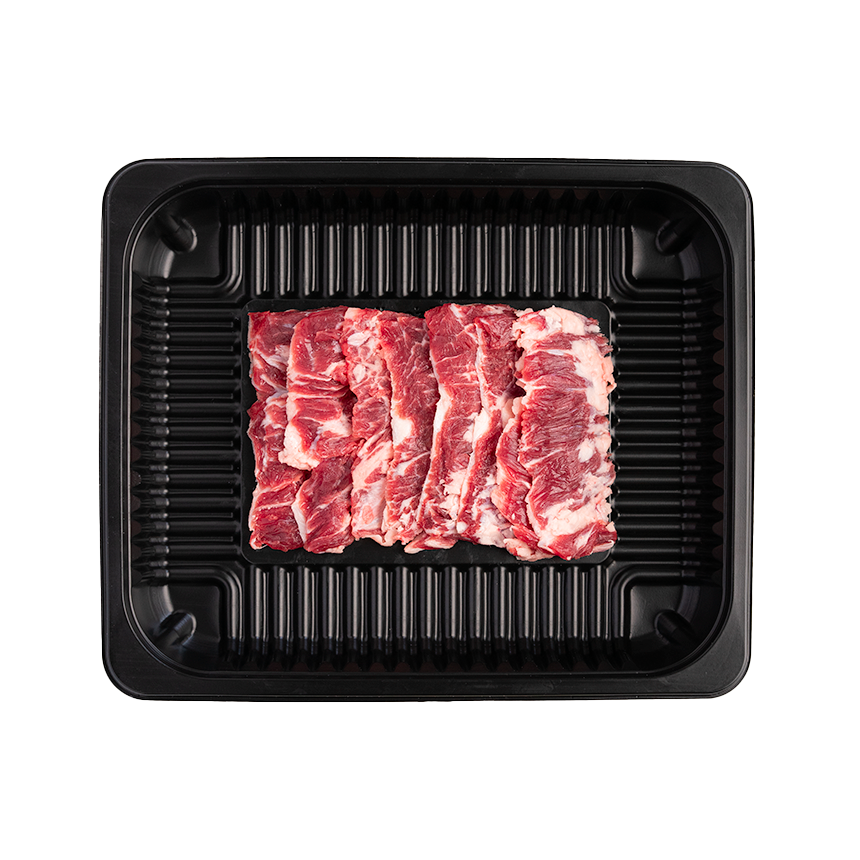
MaguriSal - NZ Beef NEB Bone Meat MaguriSal is the meat between the bones of the beef ribs, which is called the maguri. A whole cow will only yield between 400~500 grams of this meat. Marugi bone is mainly used in short rib soup or braised short ribs, so it is rare to find a...
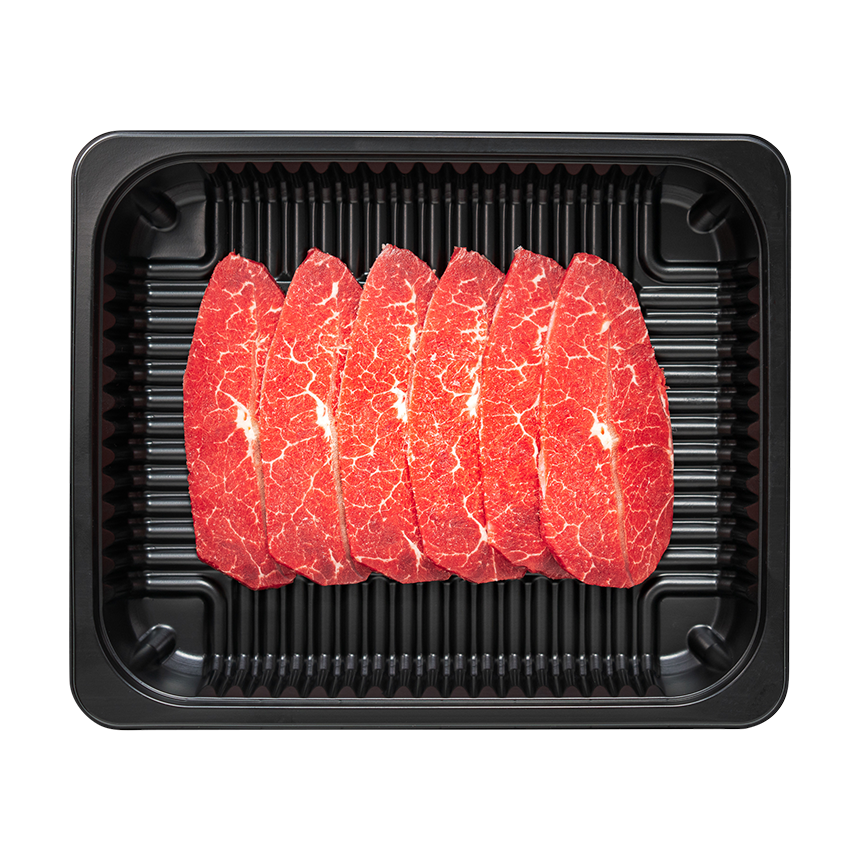
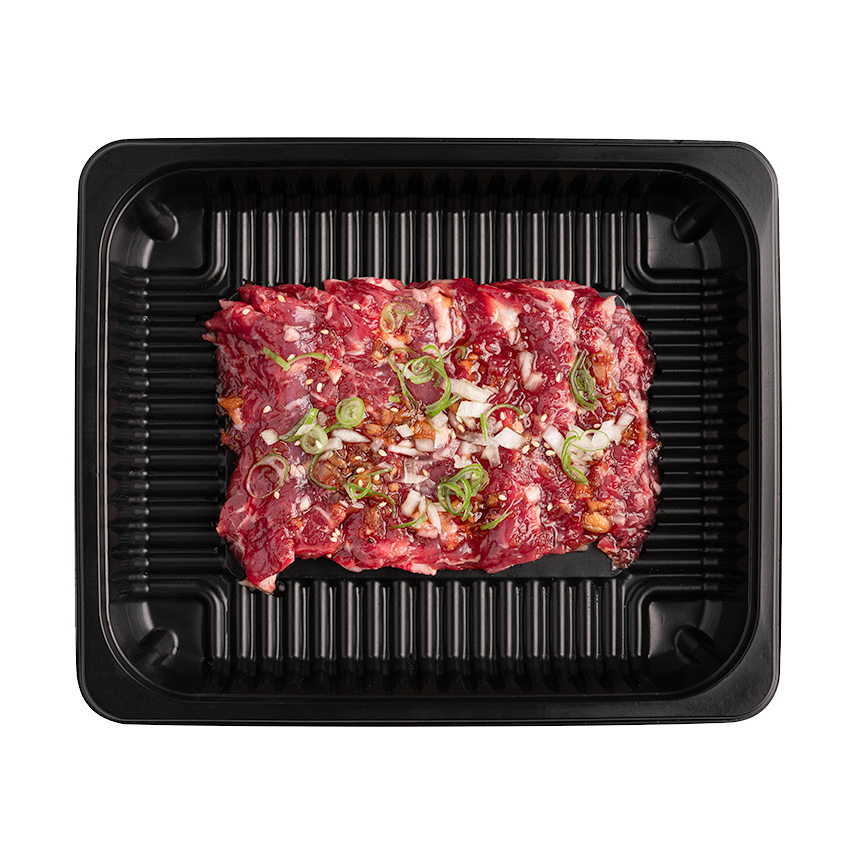
우둔살육회 Woodoonsal YukHye 500g - NZ Beef Topside(Raw) Yukhoe (肉膾) is a Korean dish similar to sashimi, consisting of finely shredded meat that is not cooked at all and tossed in a seasoning of sugar, salt, soy sauce, garlic, and sesame oil. The seasoning varies slightly from region to region, and it's delicious when topped...
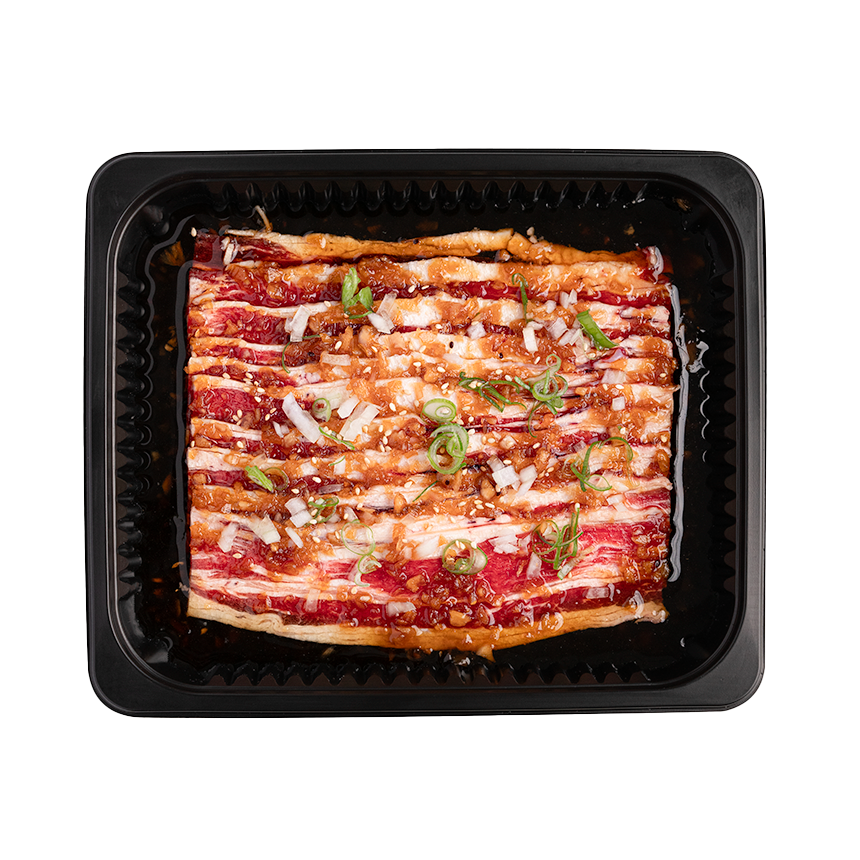
양념안창살 YangNyeom Anchangsal 500g - Marinated NZ Beef Thin Skirt
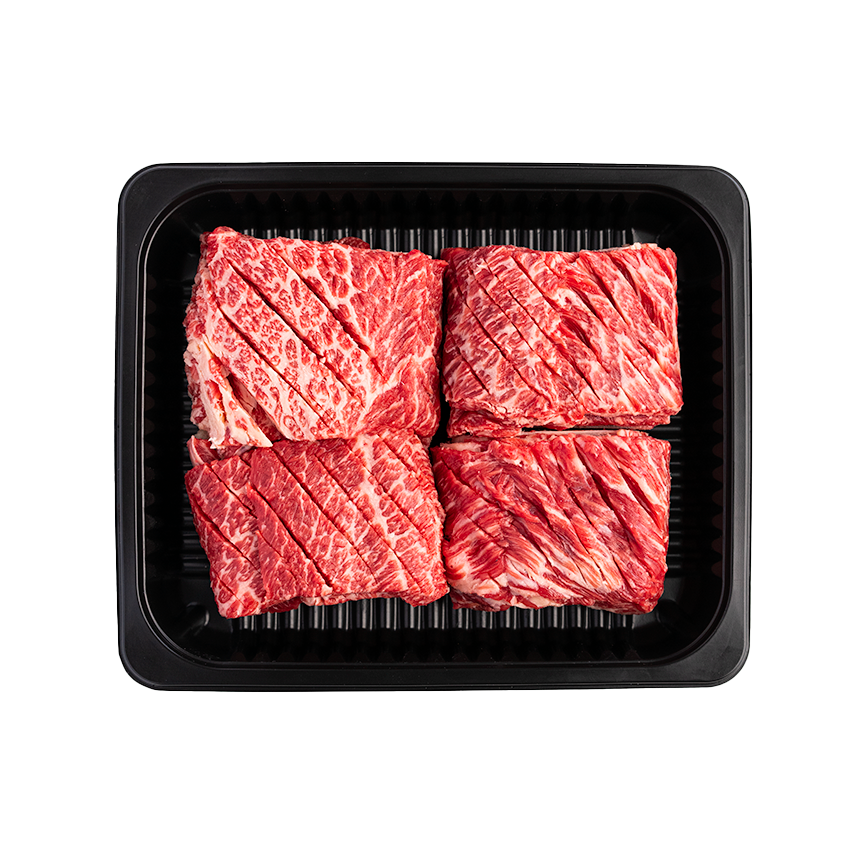
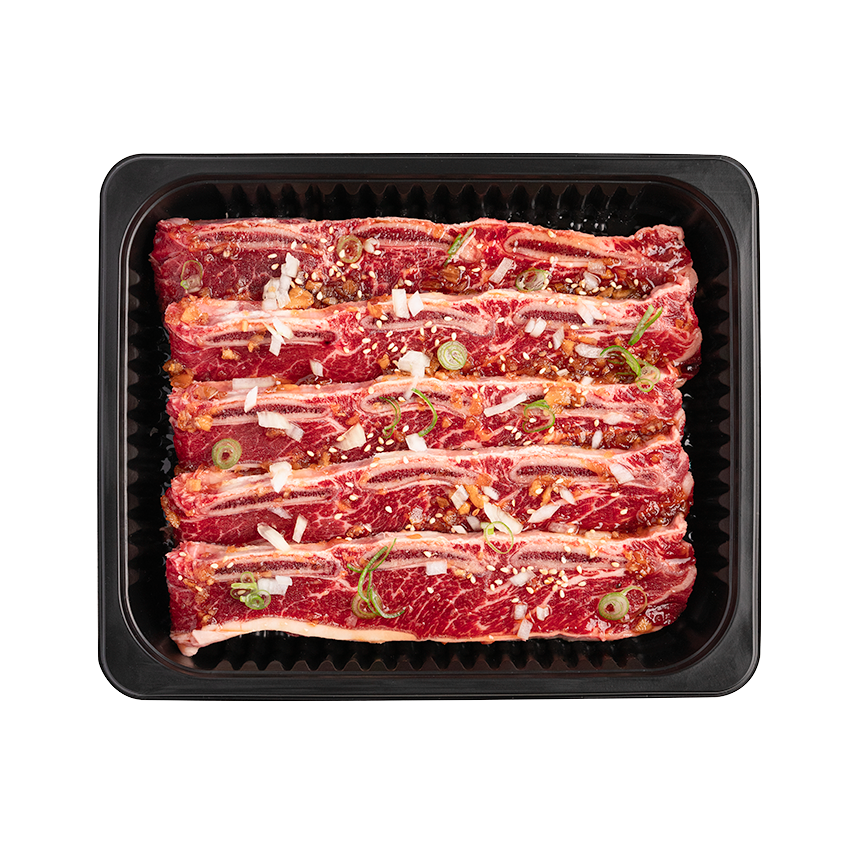
양념갈비살 YangNyeom GalbiSal 500g - Marinated NZ Beef Rib Finger Galbi is the meat removed from the ribs, with the bones removed and the meat in between. It is sometimes referred to in Korean as "Neukgansal", using the Chinese characters "neuk"(肋) for "ribs" and "gan"(間) for "between." It is often called "rib fingers" or "finger meat"...
LA Galbi is a special cut among beef ribs, specifically from the 6th to 9th rib section of the beef. Using a cutter, the meat is sliced, including the bones, into approximately 1cm thickness. This results in a unique form with a long length of rib bones, providing a tender texture and rich juiciness to the meat. LA Galbi is commonly used in barbecue or grilled dishes and is regarded as one of Korea's representative meat dishes.
Primeum 고급육사시미 Premium Yuksahshimi 300g Yuksashimi, like yukkei, is basically lean meat, but unlike yukkei, which is sliced into pieces, yuksashimi is sliced into thin slices. Depending on the region and the restaurant, some sashimi may be thin like rockfish sashimi, while others may be thicker and more textured like tuna (maguro). The cuts used...
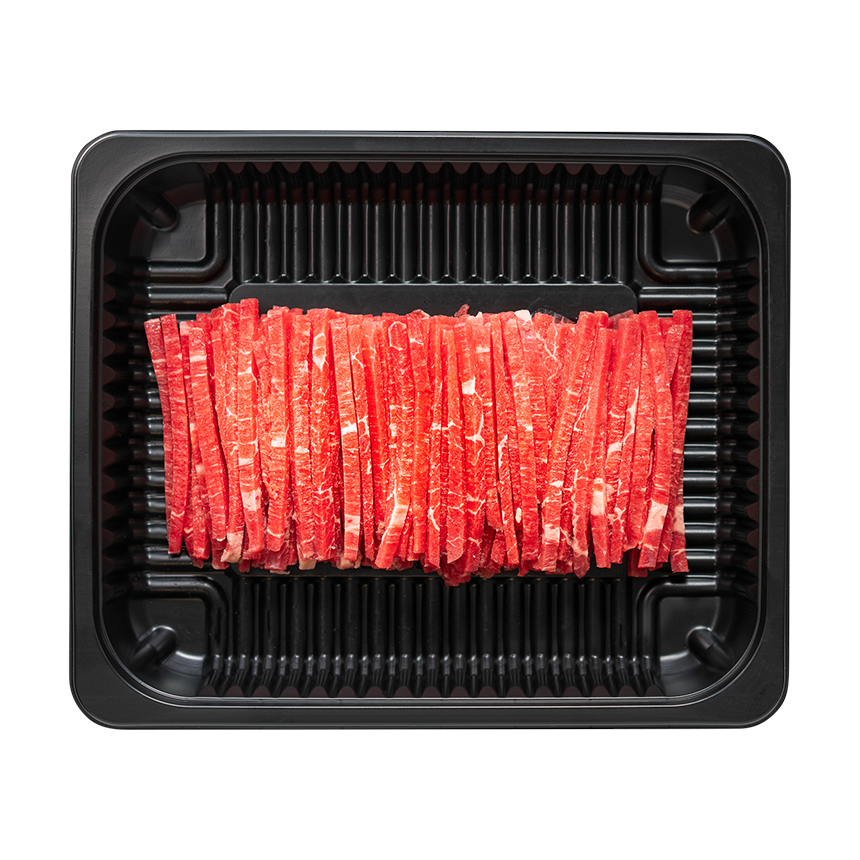
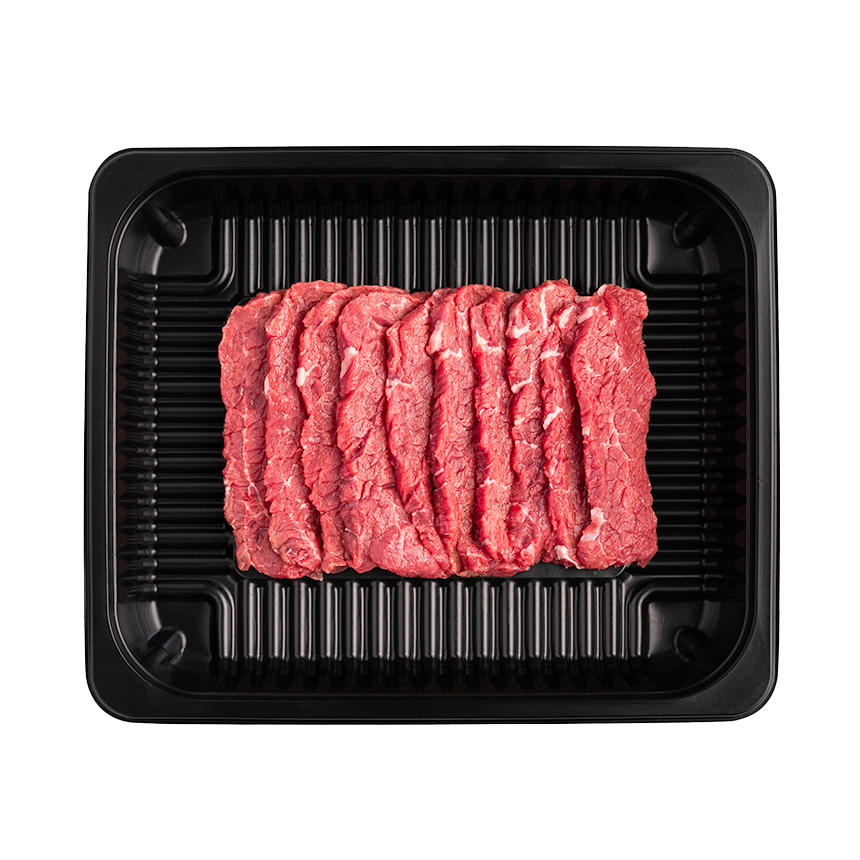
샤브샤브 ShabuShabu(Hot Pot) 500g - NZ Beef Chuck, 2.5mm, PS Grade, Korean BBQ Cut Thinly sliced beef and a variety of vegetables are instantly poached in a boiling broth and dipped in a marinade. There are various opinions about its origins. One theory is that it originated during the Mongol Empire, when it was used...
Tuekyang Gui - NZ Beef Moutain Chain Pillars for Korean BBQ

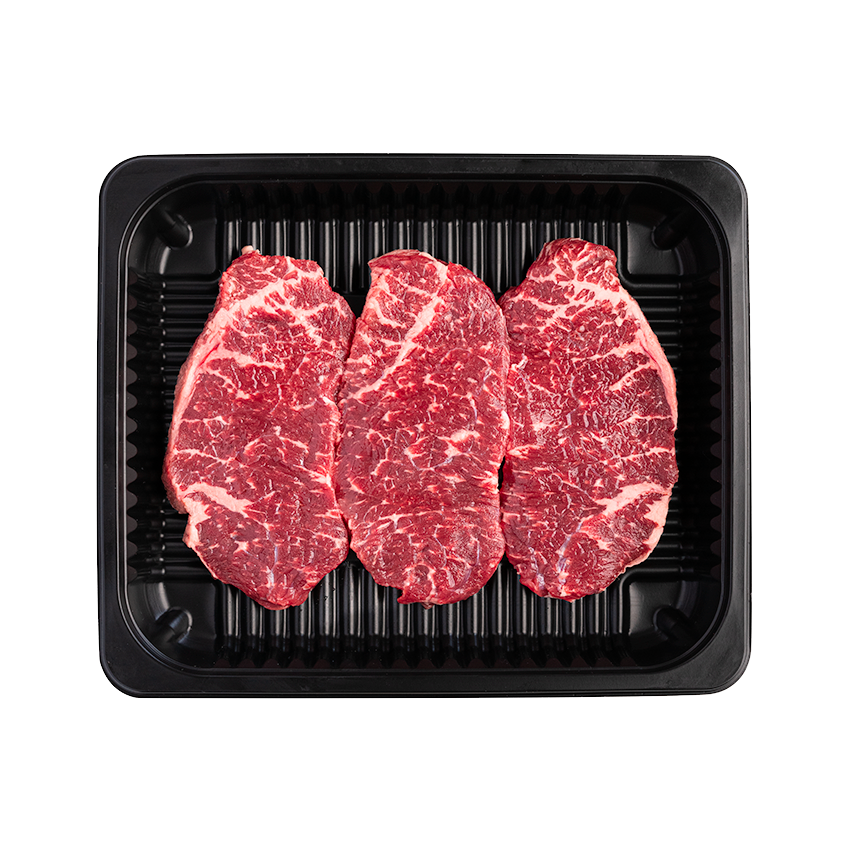
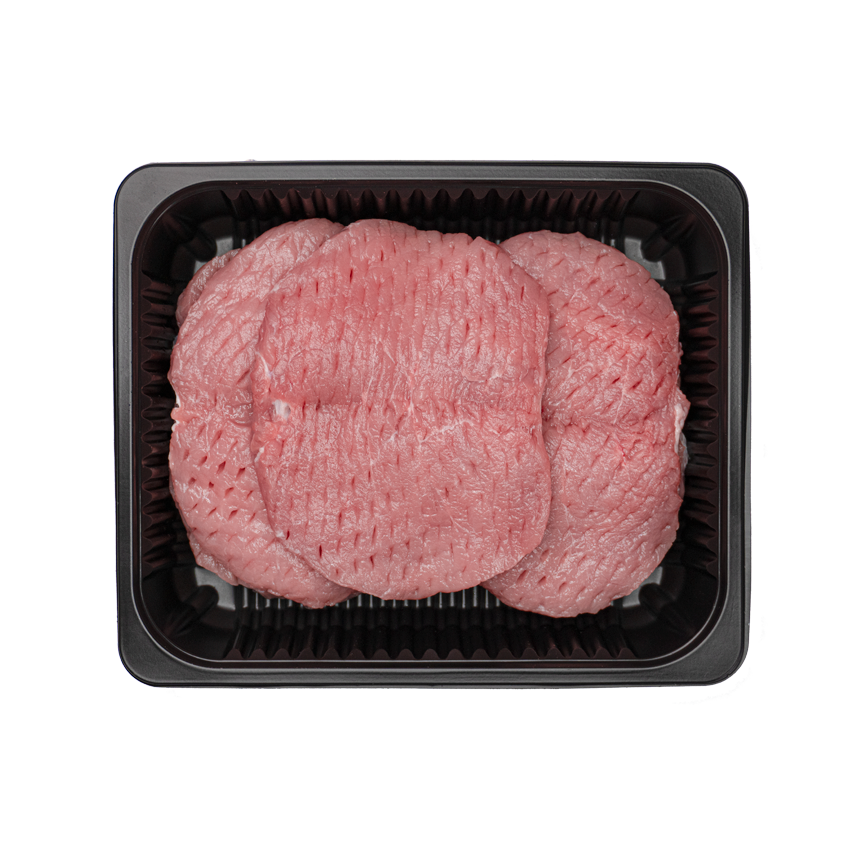
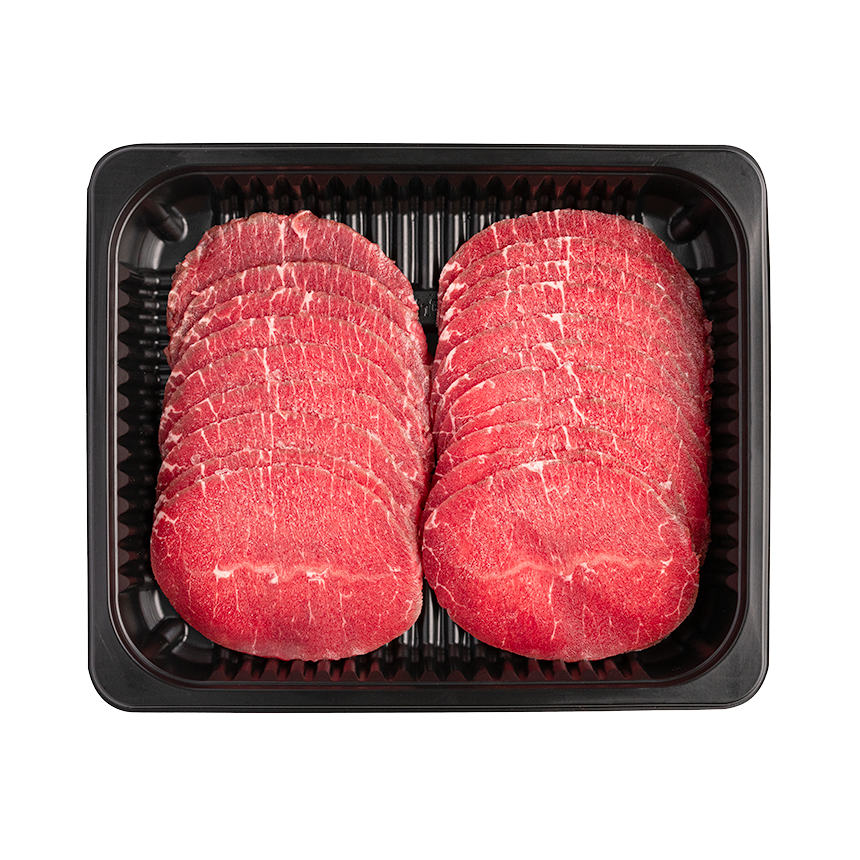
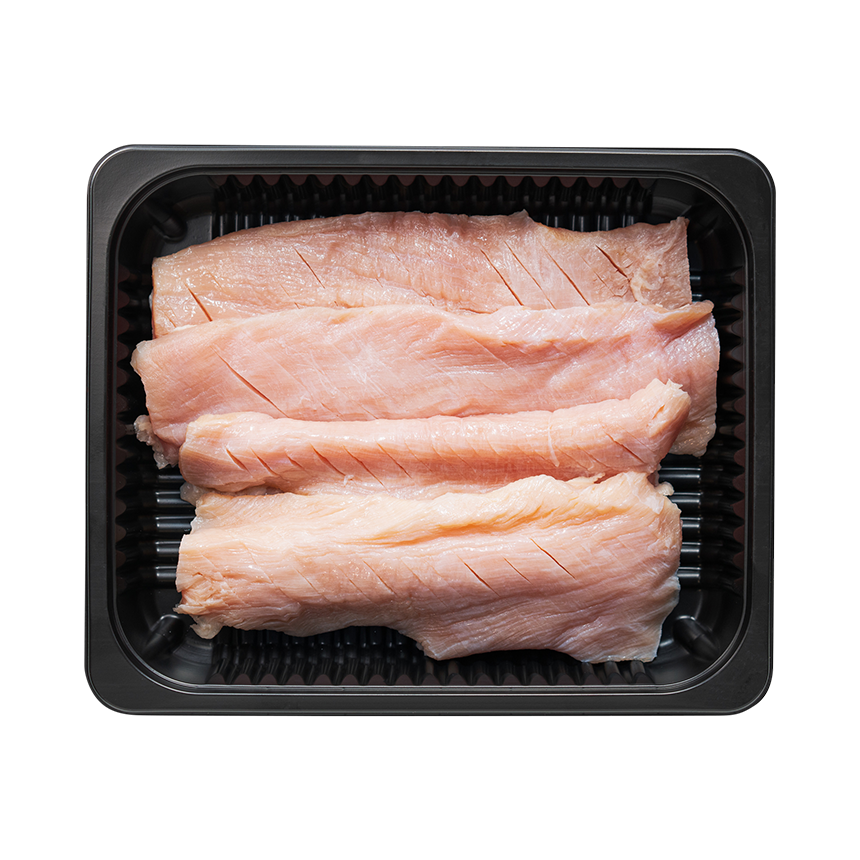
$
32.82
$
27.9

$
36.32
$
34.5


Reviews
There are no reviews yet.